Nadcap Certified Chemical Processing

Metal finishing built to enhance quality and compress lead time

Norris Precision keeps anodize, chem-film, and passivation in-house so critical aerospace, defense, and medical hardware moves from machining to finishing with tighter process control.

In-House Process control from start to finish
Nadcap Certified special process discipline
Fast Fewer handoffs to reduce lead time
01

Dimensional integrity stays protected.

Finishing is managed under the same umbrella as production, reducing handling risk on precision components.

02

Specification driven, aerospace quality processing

We support government, military, customer, and aerospace-driven requirements with disciplined documentation.

03

Capacity is expanding around quality.

The new metal finishing facility strengthens throughput while preserving the control Norris is known for.

What We Process

One finishing center, three critical surface treatments.

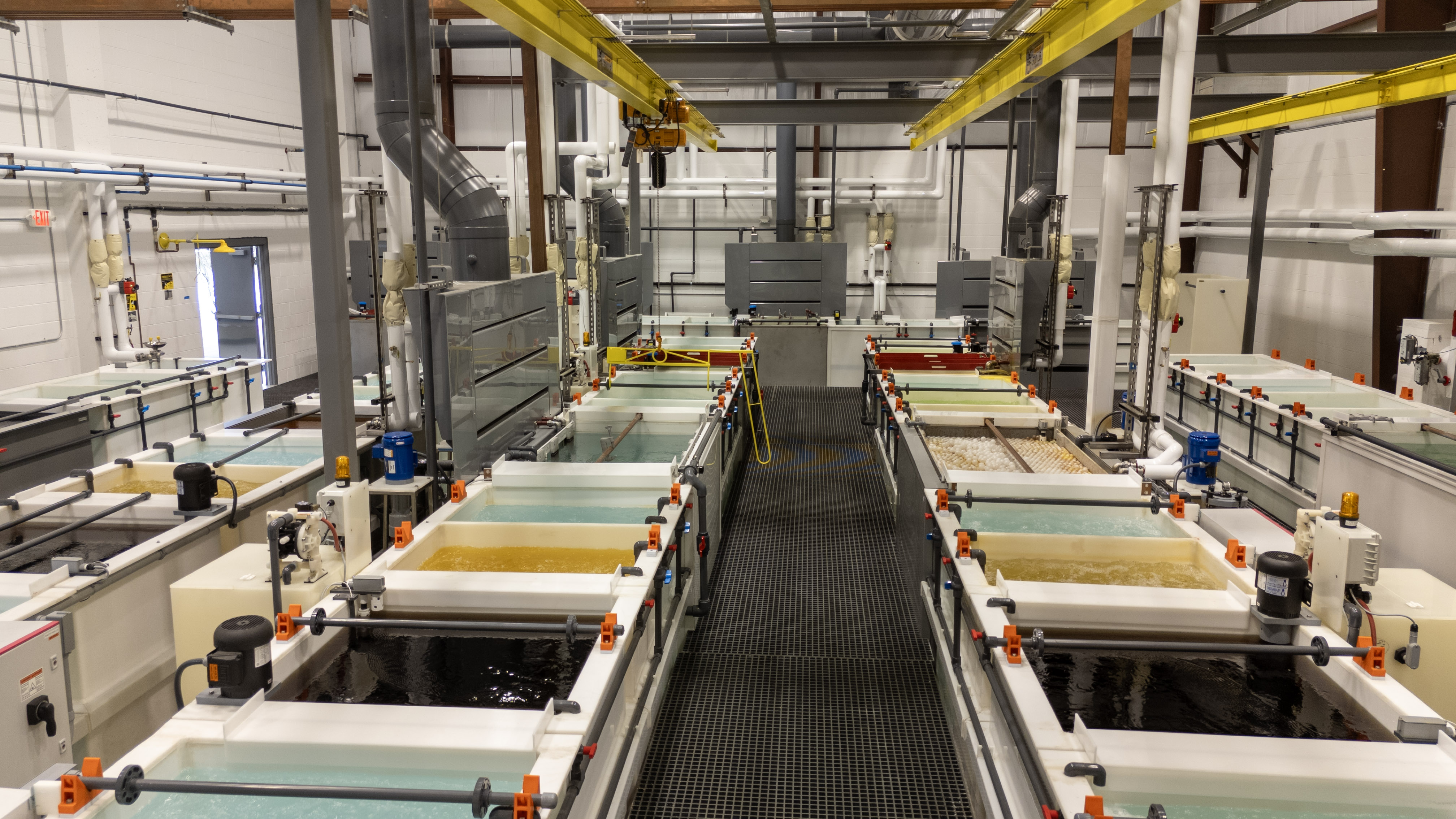
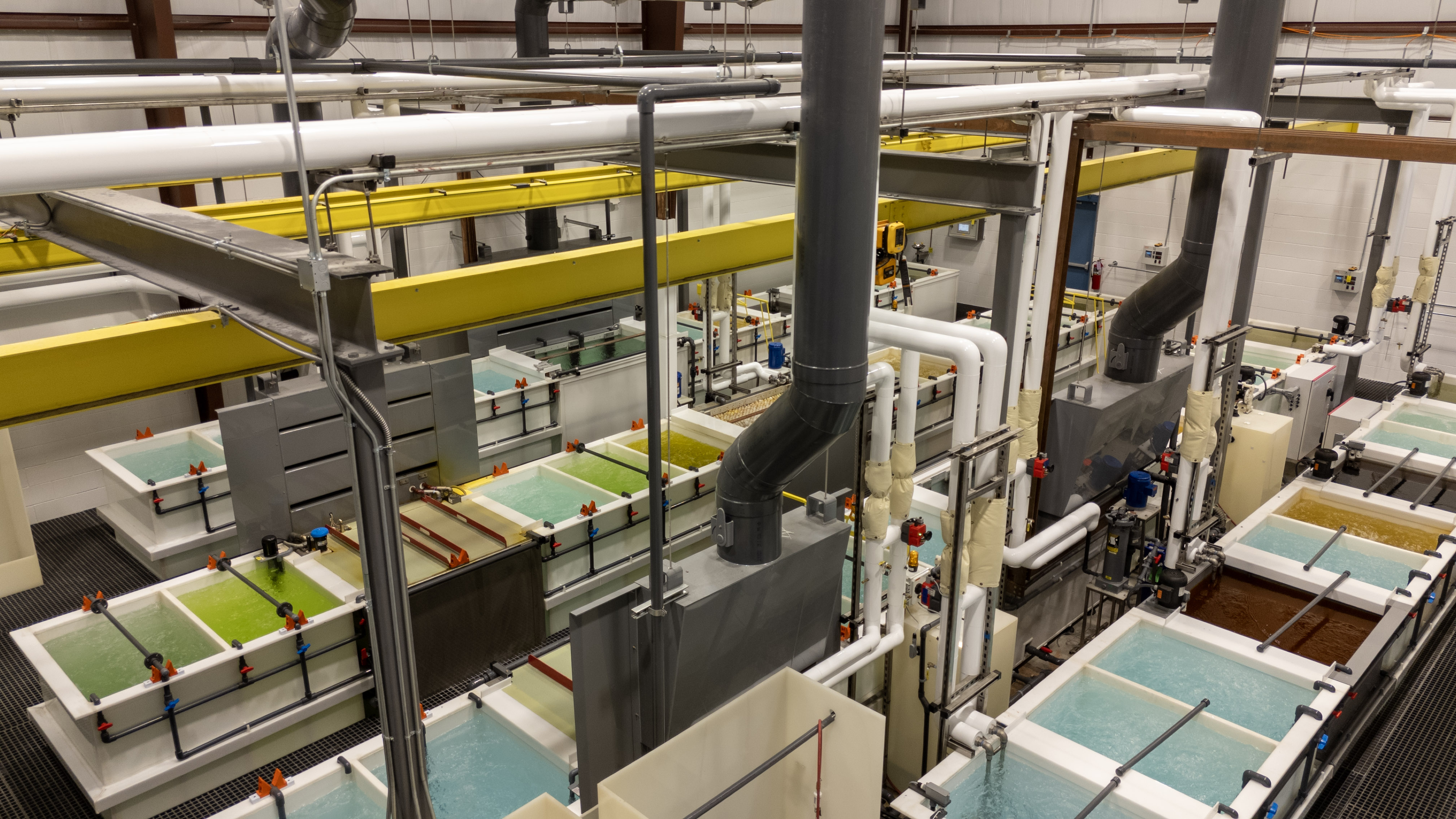
Our finishing department is designed to support demanding components that cannot afford dimensional drift, cosmetic inconsistency, or outsourced scheduling delays. By keeping chemical processing close to machining, Norris shortens the path from raw material to ready-to-install hardware.

The result is a cleaner handoff, tighter quality oversight, and a production rhythm better suited to aerospace, defense, and medical programs.
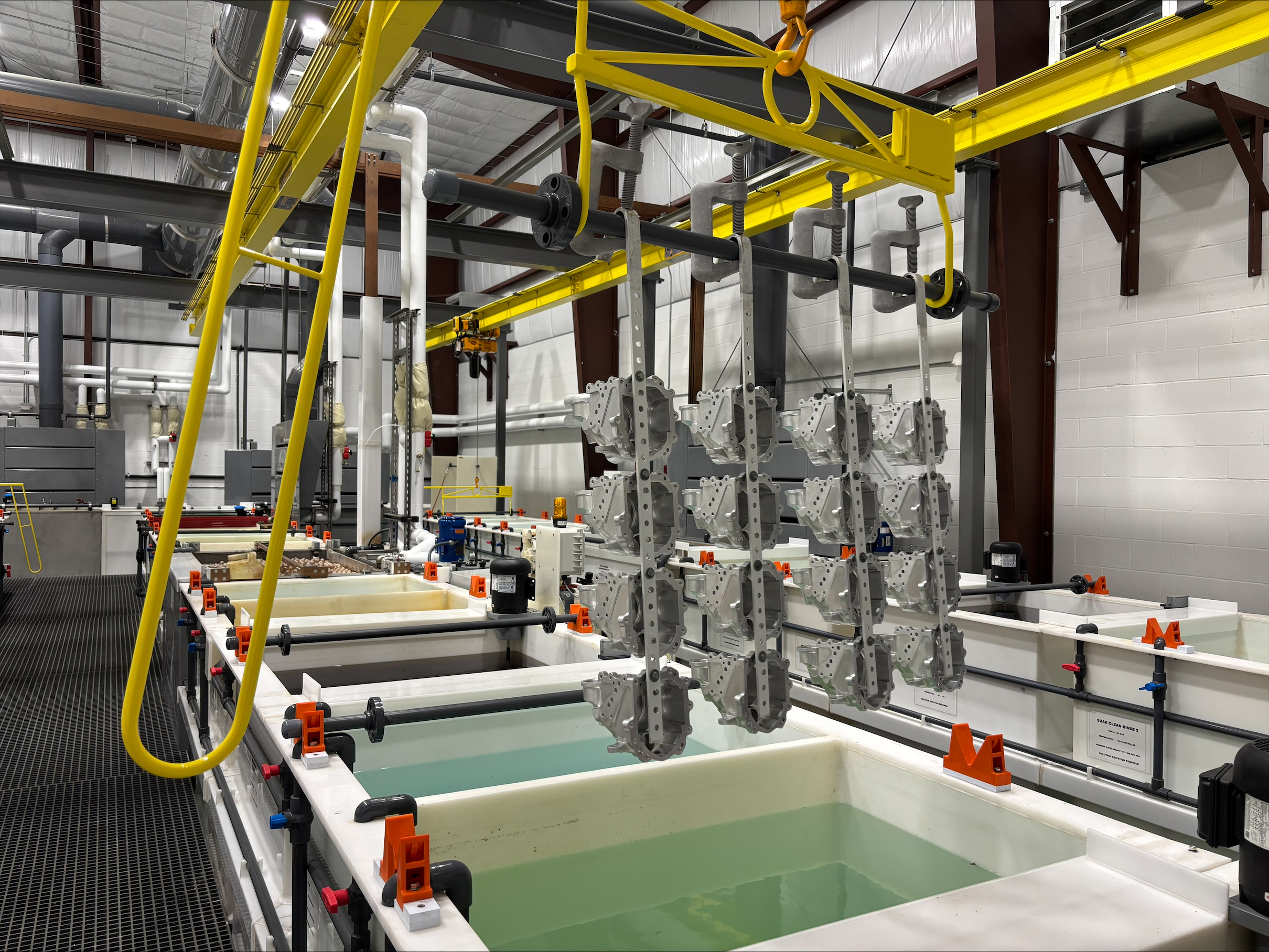
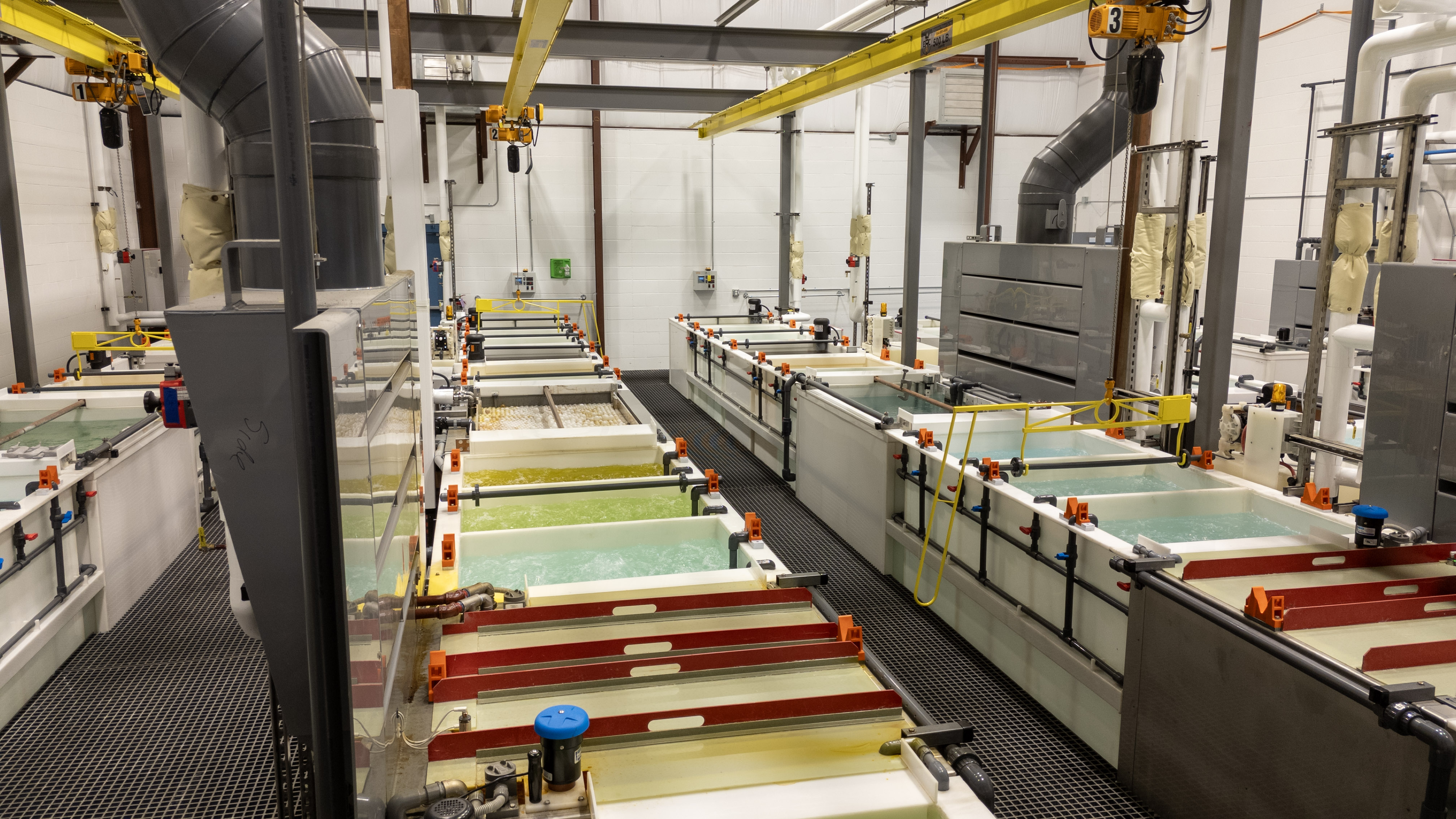
Anodize Chromic Type I, sulfuric Type II, and hardcoat Type III anodize, including enhanced chromic and controlled-thickness sulfuric processes.
Chem-Film Chemical conversion coating for conductivity, adhesion, and lightweight protection.
Passivation Stainless surface treatment that restores corrosion resistance on critical hardware.
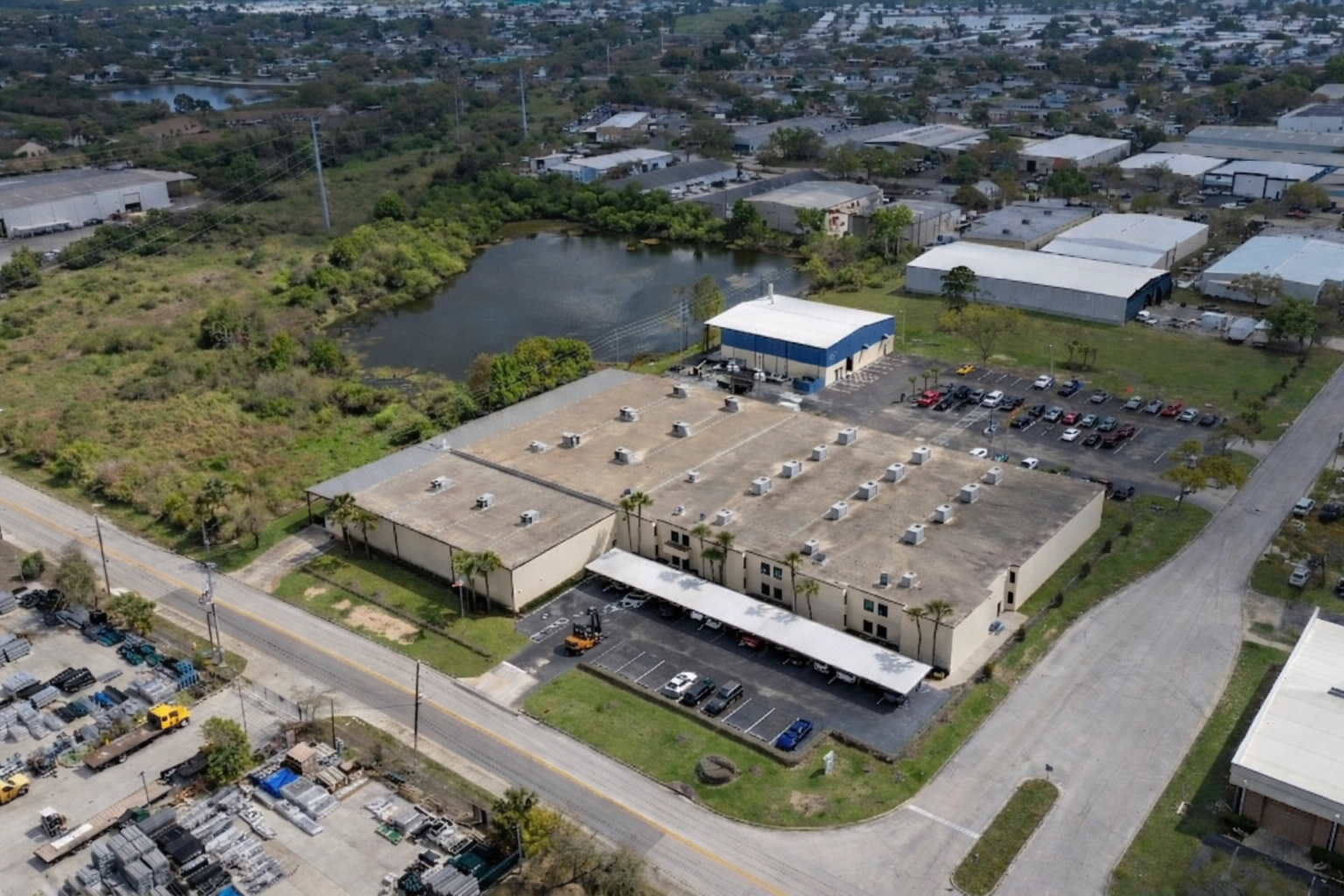
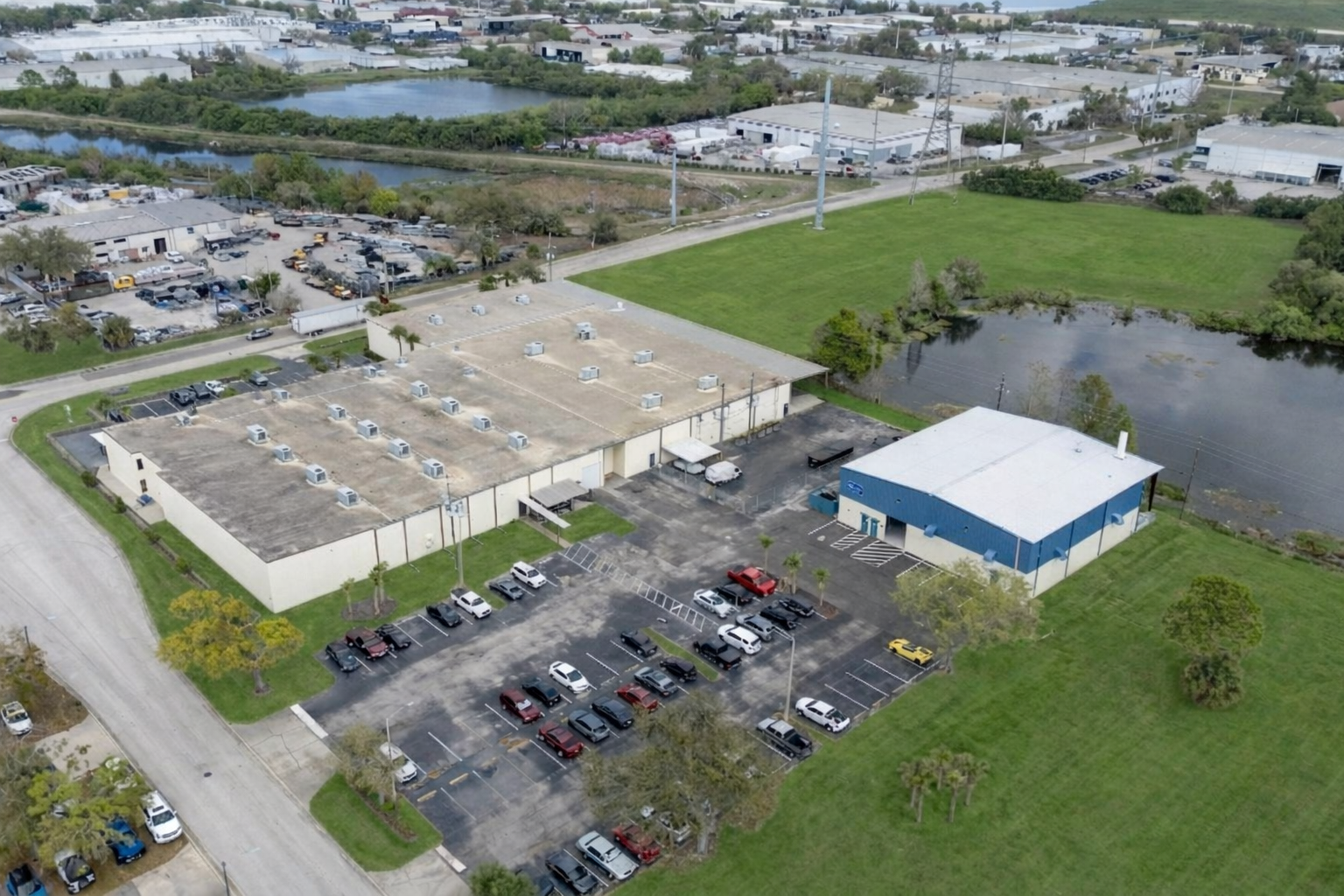
Aerial view of the Norris Precision facility for metal finishing operations
New finishing expansion

Facility growth focused on better flow, better control, and reduced lead time.

Core Processes

Built for parts that need protection without compromise.

01

Anodizing

Chromic Type I, sulfuric Type II, and hardcoat Type III anodize options for aluminum components requiring corrosion resistance and surface durability.

02

Chemical Film

Conversion coatings that preserve conductivity while preparing parts for downstream assembly or paint systems.

03

Passivation

Controlled treatment for stainless components where corrosion resistance and process repeatability matter.

Process Specifications

Anodize

Aluminum anodic coatings

  • MIL-A-8625 Anodic Coatings for Aluminum and Aluminum Alloys, Types I, II, III
  • MIL-PRF-8625 Anodic Coatings for Aluminum and Aluminum Alloys
  • AMS 2470 Anodic Treatment of Aluminum Alloys, Chromic Acid Process
  • AMS 2471 Anodic Treatment of Aluminum Alloys, Sulfuric Acid Process, Un-dyed Coatings
  • AMS 2472 Anodic Treatment of Aluminum Alloys, Sulfuric Acid Process, Dyed Coatings
  • FI-1658 Enhanced Chromic Acid Anodize Process
  • CPS 1000 Anodizing Aluminum Alloys
  • HS-334 Anodic Coatings for Aluminum and Aluminum Alloys
  • ES-1983 Controlled Thickness Sulfuric Acid Anodize
  • FI-1153 Sulfuric Acid Anodizing of Aluminum Alloys
Seal options
Nickel Acetate Sodium Dichromate Hot DI-Water

Chromate Conversion

Chemical conversion coatings

  • MIL-C-5541 Chemical Conversion Coatings on Aluminum and Aluminum Alloys
  • MIL-DTL-5541 Chemical Conversion Coatings on Aluminum and Aluminum Alloys, Types I and II
  • AMS 2473 Chemical Film Treatment for Aluminum Alloys, General Purpose Coating
  • HS-240 Chemical Films for Aluminum and Aluminum Alloys
  • PN 14.12 Chemical Film Coating on Aluminum, Magnesium and Their Alloys
  • ES-0598 Chemical Treatment for Aluminum and Aluminum Alloys

Passivate

Corrosion-resistant steels

  • AMS-QQ-P-35 Passivation Treatment for Corrosion Resistant Steel
  • AMS 2700 Passivation of Corrosion Resistant Steels
  • ASTM A967/A967M Standard Specification for Chemical Passivation Treatments for Stainless Steel Parts

Facility Showcase

Inside the new Norris Metal Finishing Facility

Norris facility exterior view

Clearwater, Florida

Facility growth built around cleaner flow from machining to finishing.

The expanded footprint gives Norris more room to route work efficiently, protect parts during handling, and reduce lead time without giving up process control.
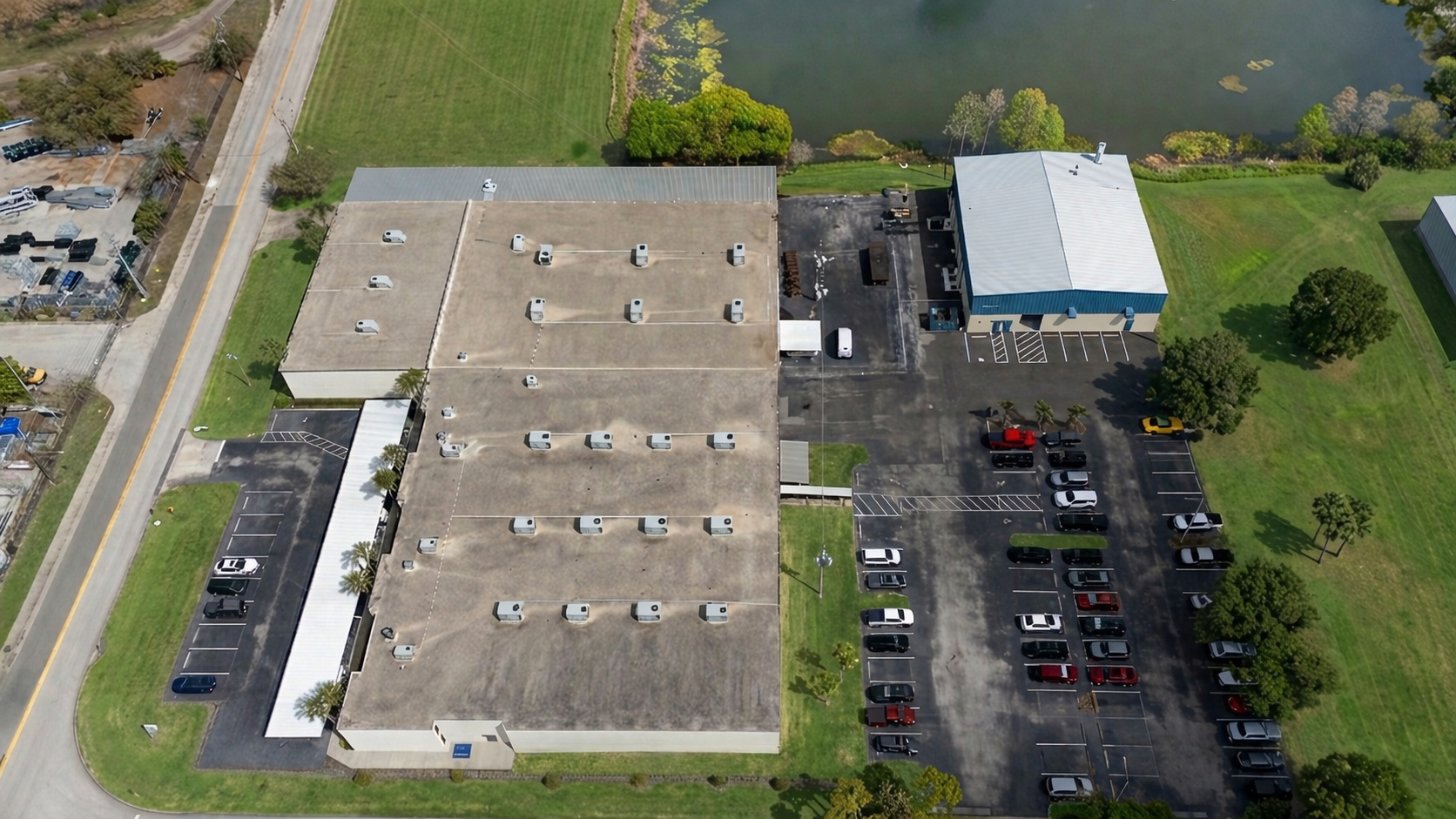
Expanded Norris manufacturing campus
Aerial detail of Norris facility grounds
Norris manufacturing property aerial photo
Norris campus alternate aerial view
Norris facility and surrounding grounds

Why It Matters

Finishing stays integrated with production from machining through final inspection.

Controlled Quality

Surface treatment remains tied to the same quality culture governing machining and final inspection.

Shorter Lead Times

In-house finishing removes outsourced queue time and simplifies the route from production to shipment.

Better Part Protection

Process ownership helps preserve fit, finish, and dimensional intent on complex hardware.

Request a Quote

Tell us about your project and our team will follow up.

Share the part type, process needed, material, quantity, and timing. The more detail you include, the faster the team can review your request.

Processes Needed

Please do not submit Controlled Unclassified Information (CUI), export-controlled technical data, or proprietary drawings through this form. Contact Norris Precision first for secure transfer instructions.

Start The Conversation

Planning a part that needs machining and finishing under one roof?

Talk with Norris Precision about the process path, certification requirements, and target delivery window.